The role of proportion, texture, construction and subtle detail in Cuirden's restrained visual philosophy.
A well-informed view begins with attention rather than assumption. Restraint is an active process of deciding what the design needs and removing elements that compete with that purpose. The subject becomes clearer when terminology is connected to visible qualities, practical use and the way a piece is expected to live over time.
Understanding the foundation
Restraint is an active process of deciding what the design needs and removing elements that compete with that purpose.
Terminology is useful only when it clarifies what can actually be seen, felt or expected. Labels vary across suppliers, finishes and product types, so the most reliable reading combines the stated specification with direct observation. A calm comparison pays attention to consistency without demanding artificial uniformity.
What to observe
Proportion sets the first impression, shaping how length, width, closure and volume relate before detail is noticed.
Visual evidence should be considered under neutral light and across more than one small area. Surface, edge, reverse side and movement can reveal different aspects of the material or construction. Variation may be intentional, while sudden changes in finish, tension or alignment deserve closer examination.
Details worth noting
- Look for a coherent relationship between surface, structure and intended use.
- Compare several areas rather than judging one isolated mark or detail.
- Treat care instructions and material information as part of the product, not an afterthought.
How it behaves in use
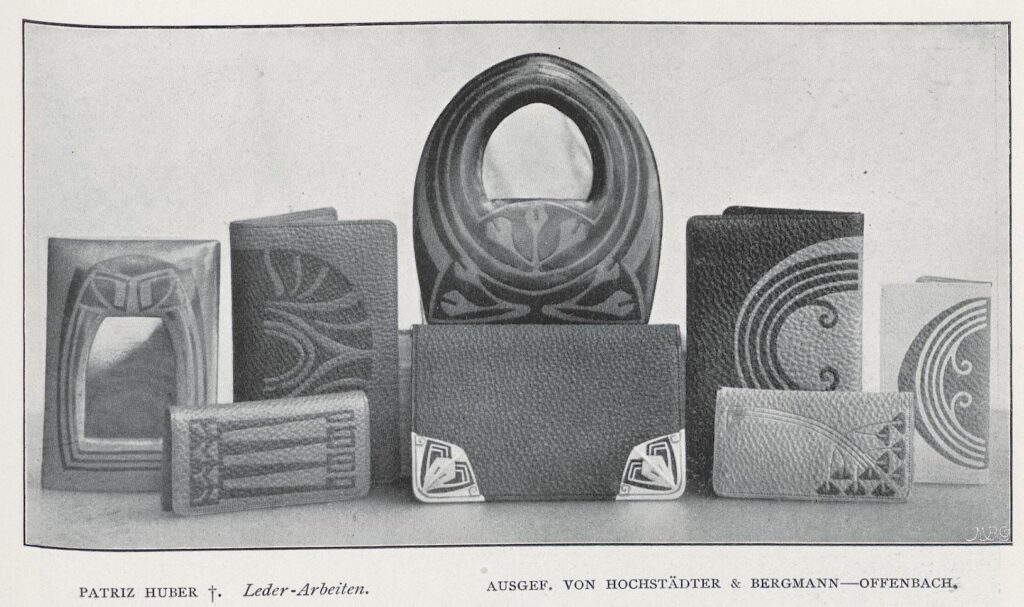
Texture introduces depth without graphic noise, particularly when leather grain and finish are allowed to remain legible.
Use changes how a piece communicates. Flexing, contact, moisture and storage all influence appearance over time. The aim is not to prevent every sign of wear, but to understand which changes belong to normal ageing and which suggest that care, fit or handling should be adjusted.
Evaluating the choice
Construction details can become visual details when seams, edges and hardware are placed with precision and consistency.
When evaluating a purchase, ask for clear material and care information and compare it with the intended use. A delicate surface can be entirely appropriate for occasional wear, while a daily piece may benefit from a finish and construction chosen for repeated contact and movement.
A measured perspective
The Cuirden perspective favors coherence: material, silhouette and function working together without one element overwhelming the rest.
A considered decision balances character with practicality. No single term, detail or styling rule should carry the whole judgment. Material, proportion, construction, care and context work together, and the strongest choice is the one whose qualities suit the role it is expected to perform.
Applying the perspective
A restrained design language depends on discipline across the whole object. Proportion must remain clear at rest and in motion; material character should be visible without becoming theatrical; details should earn their place through function or visual balance. This approach leaves space for the wearer and for gradual material change. It also provides a stable framework for evaluating new ideas without relying on novelty as the main source of interest.
The principles in "Designing With Restraint" are most valuable when they support a specific decision. Begin with the role the piece must perform, examine the evidence available and distinguish normal variation from a genuine concern. Revisit the judgment after considering movement, storage, maintenance and the rest of the wardrobe. This measured process avoids rigid rules while giving material, construction and proportion the attention they deserve.
Keep the observation grounded in the individual piece. Photographs, samples and written descriptions each reveal different information, and none should be treated as complete on its own. Allow for honest variation, but expect the stated material, finish and purpose to agree with what is visible and felt. Over time, note how the piece responds to wear and care; that record is often more useful than applying a universal timetable or judging every change as either desirable or defective.
Bringing the information together
This discussion expresses a design perspective grounded in restraint and material clarity, without making claims about undocumented production methods or company history.
The final assessment should remain proportionate. Good judgment comes from reading the complete object: how it feels, how it is put together, how it responds to movement and how realistically it fits the intended wardrobe or routine. That approach leaves room for natural character while still expecting clarity, consistency and appropriate care.