A measured guide to recognizing dryness, testing conditioners and avoiding unnecessary product buildup.
A well-informed view begins with attention rather than assumption. Conditioning replenishes some surface lubrication, but not every leather needs it frequently or on a fixed calendar. The subject becomes clearer when terminology is connected to visible qualities, practical use and the way a piece is expected to live over time.
Understanding the foundation
Conditioning replenishes some surface lubrication, but not every leather needs it frequently or on a fixed calendar.
Terminology is useful only when it clarifies what can actually be seen, felt or expected. Labels vary across suppliers, finishes and product types, so the most reliable reading combines the stated specification with direct observation. A calm comparison pays attention to consistency without demanding artificial uniformity.
What to observe
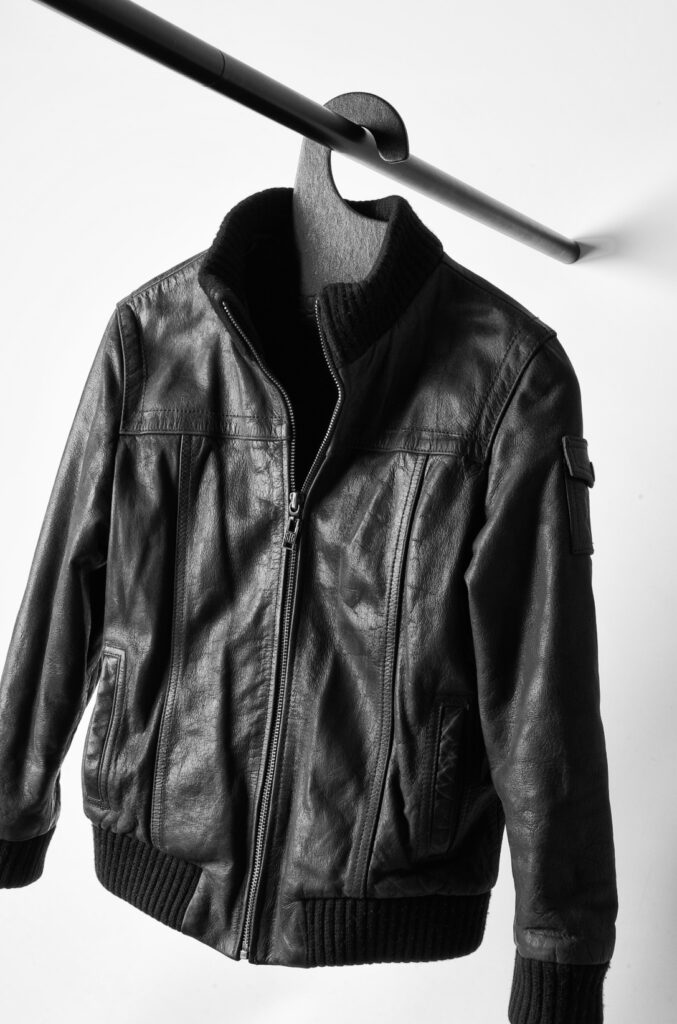
Dryness may appear as a papery feel, reduced flexibility or fine surface stress, yet these signs should be judged against the finish.
Visual evidence should be considered under neutral light and across more than one small area. Surface, edge, reverse side and movement can reveal different aspects of the material or construction. Variation may be intentional, while sudden changes in finish, tension or alignment deserve closer examination.
Details worth noting
- Look for a coherent relationship between surface, structure and intended use.
- Compare several areas rather than judging one isolated mark or detail.
- Treat care instructions and material information as part of the product, not an afterthought.
How it behaves in use
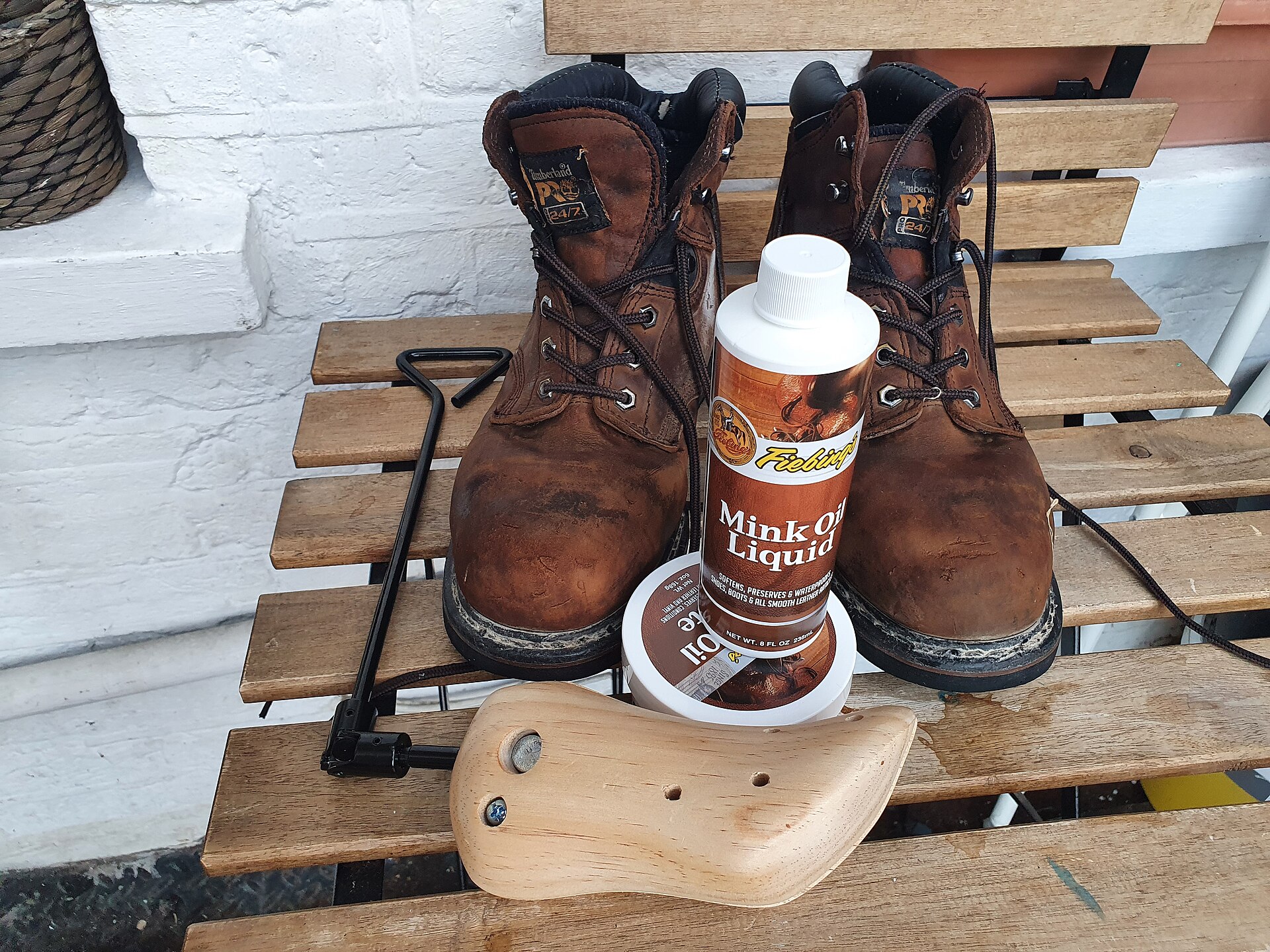
Any product should be tested in an inconspicuous area because conditioners can deepen color, alter sheen or affect touch.
Use changes how a piece communicates. Flexing, contact, moisture and storage all influence appearance over time. The aim is not to prevent every sign of wear, but to understand which changes belong to normal ageing and which suggest that care, fit or handling should be adjusted.
Evaluating the choice
A thin, even application is safer than saturation, followed by adequate time for absorption before deciding whether more is needed.
When evaluating a purchase, ask for clear material and care information and compare it with the intended use. A delicate surface can be entirely appropriate for occasional wear, while a daily piece may benefit from a finish and construction chosen for repeated contact and movement.
A measured perspective
Manufacturer or maker guidance takes priority because coated, waxed, suede, nubuck and aniline surfaces require different treatment.
A considered decision balances character with practicality. No single term, detail or styling rule should carry the whole judgment. Material, proportion, construction, care and context work together, and the strongest choice is the one whose qualities suit the role it is expected to perform.
Applying the perspective
Maintenance should respond to condition rather than habit. Record the product guidance, test unfamiliar treatments discreetly and allow enough time to judge the result before applying more. Climate, storage and frequency of use can change what a piece needs. If color is transferring, the finish is lifting, the surface feels unusually brittle or a stain involves oil or dye, professional assessment is the cautious route.
The principles in "Leather Conditioning: When, Why and How Much" are most valuable when they support a specific decision. Begin with the role the piece must perform, examine the evidence available and distinguish normal variation from a genuine concern. Revisit the judgment after considering movement, storage, maintenance and the rest of the wardrobe. This measured process avoids rigid rules while giving material, construction and proportion the attention they deserve.
Keep the observation grounded in the individual piece. Photographs, samples and written descriptions each reveal different information, and none should be treated as complete on its own. Allow for honest variation, but expect the stated material, finish and purpose to agree with what is visible and felt. Over time, note how the piece responds to wear and care; that record is often more useful than applying a universal timetable or judging every change as either desirable or defective.
Bringing the information together
Begin with the least invasive action, follow maker guidance where available and seek professional advice when the finish or treatment history is uncertain.
The final assessment should remain proportionate. Good judgment comes from reading the complete object: how it feels, how it is put together, how it responds to movement and how realistically it fits the intended wardrobe or routine. That approach leaves room for natural character while still expecting clarity, consistency and appropriate care.